Why a Second Coat Is Worth It on Interior Walls
A second coat is the cheapest step in a repaint to understand and the easiest one to be tempted to skip.
October 28, 2026 · 4 min read
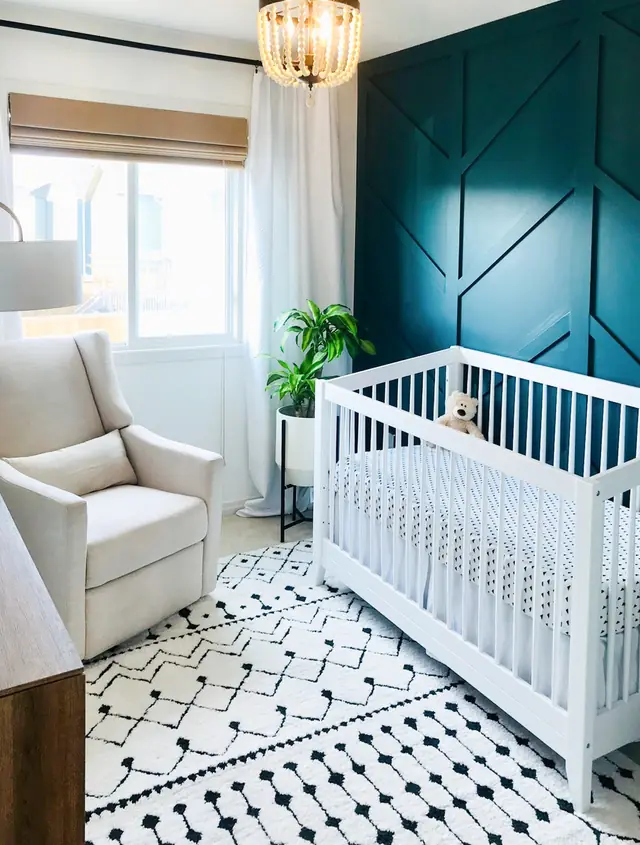
At some point in almost every quote conversation, someone asks whether a second coat is really necessary. The first coat looks pretty good, after all. The wall is a new colour, the old one is gone, and the room already looks different. It is a fair question, and the honest answer is that a second coat is nearly always worth it.
On interior projects, The Painter Lady applies a second coat as a standard part of the process, and Amanda Funk recommends it for longevity. Here is what is actually happening on the wall that makes it matter.
The first coat does a different job
Think of the first coat as the one that covers and the second as the one that finishes. The first coat has to grab onto the wall, fill in the texture, and hide whatever colour was there before. It does that work, but it rarely does it evenly. Walls absorb paint unevenly, especially where repairs were made, and the first pass often leaves areas that are slightly thinner or slightly different in sheen from the rest.
The second coat evens that out. It gives a consistent film across the whole wall, so the colour looks the same in the middle of the wall as it does at the corner. Without it, patches from repaired nail holes and cracks can show up as dull or shiny spots, and the colour can look slightly cloudy as the light moves through the day.
Colour depth needs it
The deeper or bolder the colour, the more a second coat matters. A rich teal, a navy or a charcoal can look streaky or thin after one coat, because there is not enough pigment on the wall yet for the colour to read the way it does on the chip. The second coat is where that colour actually arrives. If you have chosen a colour with real character, one coat is giving you a rough sketch of it.
The same is true when you are moving from a dark colour to a light one, or the reverse. The old colour tries to show through. Extra coverage keeps it from ghosting through in certain light, such as when afternoon sun comes in at an angle.
Rollers leave marks, and coats hide them
Even a careful painter leaves tiny differences from one roller pass to the next. Where a pass overlaps another, where the roller was a bit heavier or lighter, where a cut-in edge near the ceiling meets the rolled area. These differences are often invisible when wet and become visible once the paint is dry. A second coat blends them, because each pass in the second layer hides the small variations from the first.
It helps the wall hold up
Walls get touched. Chairs scrape them, children lean on them, hands brush past in hallways, and furniture moves in and out. A properly built-up paint film stands up to that better than a single thin layer. This is the reasoning behind the recommendation for longevity: you are giving the wall a finish that is meant to stay looking good, not one that looks fine in the first week and shows wear sooner than it should.
A second coat will not make a wall indestructible, and nothing will. What it does is give you the full finish the paint was designed to provide.
What to do about timing
The second coat only works if the first is allowed to dry first. The directions on the can give the recoat window, and it varies with the paint, the room and the conditions. Rushing it can pull up the first layer or leave streaks, which defeats the purpose. A careful painter plans the day around that wait rather than pushing through it. If you are painting a room yourself, give it the time the can asks for, even when it feels dry to the touch.
Questions worth asking any painter
- Is a second coat included in the estimate, or is it extra?
- Will the walls be repaired and sanded before the first coat goes on?
- How will the ceiling line and trim edges be handled between coats?
- What happens in a final walk-through if I spot a thin area?
None of these are trick questions. A professional should be glad you asked, and the answers will tell you quickly how a painter works.
At The Painter Lady, the process finishes with a complete visual inspection and a clean-up, so you see the wall as it will look in everyday light before the job is signed off. Estimates are free, and you can ask all of the questions above by calling (587) 989-2250.
The Painter Lady, (587) 989-2250
Call (587) 989-2250More articles
How to Choose a Wall Colour That Works With What You Already Own
A swatch only shows you a colour on its own, and your living room is never on its own.
What Happens to Your Walls Before the Paint Goes On
The finish you see depends on the work you never will, and most of that work happens before the lid comes off the can.