What Happens to Your Walls Before the Paint Goes On
The finish you see depends on the work you never will, and most of that work happens before the lid comes off the can.
October 28, 2026 · 4 min read
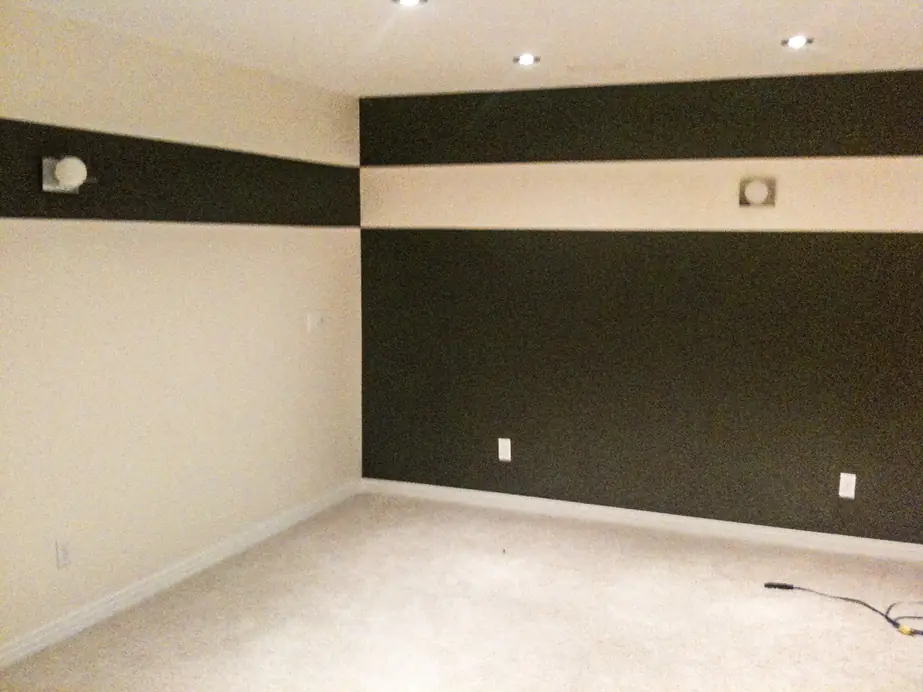
When people picture a painter at work, they picture a roller and a fresh wall colour. The roller is the shortest part of the job. A good interior repaint is mostly decided before the paint is opened, in the quiet, unglamorous steps that turn tired walls into a surface worth painting.
The Painter Lady works through a set order on every interior project. Here is what that prep looks like, and why each step is there.
It starts with a free estimate
Before anything else, Amanda Funk looks at the rooms with you. This is where she sees the walls as they really are: the dents behind the door, the hairline crack over a window, the seam where two walls meet that has started to open. Estimates are free, and walking through the house is how she works out what each room actually needs. If you want help with colour, a consultation is available at the same visit and is free when you are using her painting services.
Repairing nail holes
Every home has them. Picture hangers, a child's height chart, a mounted television that moved to another wall. Each one gets filled and smoothed so it disappears under the new colour. It sounds small, but a wall with forty untreated holes looks unfinished no matter how nice the colour is. Fresh paint does not hide a hole. If anything, it draws the eye to it, especially when light rakes across the wall from a window.
Repairing stress cracks and other drywall damage
Houses move. Wood dries and settles, temperatures change, and the thin lines you see above doorframes and at the corners of windows are the result. Stress cracks, small dents, scuffs from furniture and the occasional larger patch from a past repair all get attention before painting. Repairing them properly means the wall is a smooth, even surface again rather than a record of everything that has happened to it.
Skipping this step is a common reason a repaint looks disappointing within a few months. A crack that was painted over, not repaired, tends to come back.
Sanding the walls completely
Once the repairs are in, the walls are sanded. This levels the patches so they blend into the wall around them, and it gives the surface a little tooth for the new paint to grip. Old walls also collect a surprising amount of grime, cooking residue and fingerprints, and sanding takes the roughness off all of it. You will not notice sanded walls when the job is done. You will notice it if they were skipped, because the patches show up as shiny or raised spots.
Caulking the joints that are failing
Along baseboards, around window and door casings, and where trim meets wall, caulk fills the small gap between two surfaces. Over time that caulk can crack, shrink or pull away. Painting over a failing joint leaves a visible dark line and lets the gap keep opening. Replacing it gives you a clean edge where the wall meets the trim, which is one of the things that makes a room look professionally finished instead of merely painted.
Then the paint goes on
Only now does the interior paint come out. The walls are clean, level and sealed, so the paint can do what it is supposed to do: look even, feel smooth and hold its colour. Amanda recommends a second coat for longevity, and it is part of how she approaches every wall. If you are curious why, we wrote about that separately on this blog.
Each coat needs to dry properly before the next one goes on, and the instructions on the can set the schedule. Rushing between coats is a quick way to get streaks, so a careful painter works with that timing rather than against it.
A last look and a clean finish
When the painting is done, the work is not. A complete visual inspection comes next, checking the walls from different angles and in different light for missed spots, thin patches and edges that need touching up. After that, the area is cleaned up so you get your room back, not a room that still looks like a job site.
What to ask when you compare estimates
If you are collecting quotes from several painters, ask each one what the prep involves. A quote that says only the number of rooms and the colour tells you nothing about how the walls will be handled. Ask whether holes and cracks are repaired, whether the walls are sanded, whether failing caulk is replaced, and whether a second coat is part of the plan. The answers tell you more about the finished result than the colour on the chip ever will.
To book a free estimate and see this process on your own walls, call The Painter Lady at (587) 989-2250.
The Painter Lady, (587) 989-2250
Call (587) 989-2250More articles
How to Choose a Wall Colour That Works With What You Already Own
A swatch only shows you a colour on its own, and your living room is never on its own.
Why a Second Coat Is Worth It on Interior Walls
A second coat is the cheapest step in a repaint to understand and the easiest one to be tempted to skip.